



.svg)
.svg)
.svg)
.svg)
Analyze the menu = benefits with lower prices for guests

Analyze the menu = benefits with lower prices for guests
In 2026, profitability is central to restaurateurs’ strategies. With steadily rising energy costs, inflation pressing on raw materials, and recruitment and retention challenges for skilled staff, margins are severely tested. Economic resilience now relies on rigorous financial management and optimizing every expense.
This article is taken from a downloadable white paper on the 8 restaurant trends not to be missed in 2026.
Many establishments are streamlining their menus not multiplying offerings, but rather highlighting dishes that combine popularity and high-margin appeal. Menu engineering has become indispensable: analyzing each dish’s profitability enables informed decisions, reduces food waste, and enhances margins without compromising the dining experience.
Analyze your menu
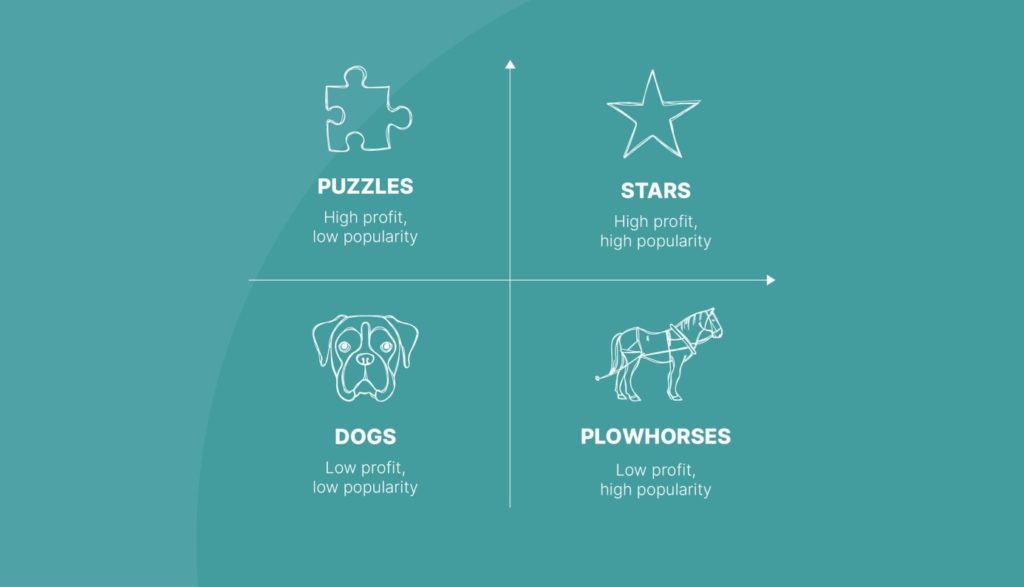
Menu engineering involves analyzing your current menu and evaluating each dish based on its profitability (contribution margin) and popularity (sales volume). With relevant information, you can make the right decisions for your business. You will likely see that there are customer favorites on your menu, as well as some options that are not selling as well.
Optimize your menu offerings
Stars: Ensure these dishes are prominent on the menu, as they generate both high sales and high profits.
Workhorses: Consider adjusting portion sizes, ingredients, or prices to increase profitability for these popular dishes.
Puzzles: Market these dishes more effectively by highlighting them on the menu or through server recommendations. You can also evaluate their presentation, portion size, or pricing to increase popularity.
Dogs: Remove or replace these dishes with new, potentially more profitable options, or improve them to increase their appeal and profitability.
Menu design
Based on the results, change how the menu is laid out, allowing the most profitable dishes to take prominent positions, such as the upper right corner, where customers typically look first. Utilize various design elements that frame, enhance, and draw attention to the dishes you want guests to choose.
How the price is presented also matters. For example, removing currency symbols and decimal points simplifies the expression. Another effective way to encourage guests to choose a specific option is to offer package pricing. By packaging a main course with a glass of wine for the same price as the most expensive main course, the guest feels they are receiving greater value.
Once you have reviewed the menu and made the necessary changes, you should continuously monitor how things are going. Which dishes and packages are selling, which of those dishes have the highest margins, and at what times are certain dishes sold?
Offer affordable dishes
By calculating the raw material costs for dishes, you can consider whether there is any ingredient that could be replaced with a cheaper alternative. Refining and streamlining the menu should lead to increased margins for each dish, reduced food waste, and enhanced profitability.
Both businesses and individuals are being cautious with their spending. One way to attract private guests, as well as businesses, to the restaurant is to offer reasonably priced dishes or menus.
Perhaps it’s time to drop the signature dish of cured cod loin for 44 euro if it’s not selling. Analyze what guests are ordering and what is truly selling.
Reduce food waste, retain customer favorites, and streamline operations – we see it as a win-win!
How to calculate food cost formula?
Food costs are the costs of all the ingredients and supplies required to prepare menu items. Calculating food costs can be a challenge, but it is essential for any food business to know how much they are spending on food in order to maintain profitability and control costs. Here are the steps to calculate food costs:
- Determine the period for which you want to calculate the food costs, for example, for a week or a month.
- Make a list of all the ingredients you used during that period.
- Determine the total cost of each ingredient by reviewing invoices from suppliers.
- Add up all the costs of the ingredients to calculate the total cost of the ingredients.
- Add the costs of all other supplies, such as packaging and cleaning supplies, to the total cost of the ingredients to calculate the total food cost.
- Divide the total food cost by the total revenue for the same period and multiply this by 100 to calculate the food cost percentage.
Food cost formula: (total cost of ingredients + cost of other supplies) / total revenue x 100 = food cost percentage.
Monitoring the food cost percentage is crucial for any food business to maximize profitability and control costs. By calculating and tracking the food cost percentage, businesses can manage prices and costs while maintaining the quality of their menu items.
How we at Trivec by Caspeco can help you
Trivec by Caspeco offers an easy to use analytics for restaurants, a base to start from. By also integrating to an inventory optimization system for stock, ordering, waste, and sales, you can view inventory in real-time, reducing the need to inventory parts of your operation as frequently. Learn more about inventory and stocktaking here. At Trivec by Caspeco, we have a large partner ecosystem with tailored integrations for restaurants, including loyalty systems, inventory optimization, analytics, and more.
Contact us
After you have filled in your contact information, you will be contacted by one of our knowledgeable experts who can tell you more about our solutions.